Source: Erasmus Williams
BASSETERRE, ST. KITTS — The Secretariat of the St. Lucia-based Organisation of Eastern Caribbean States (OECS) has informed St. Kitts and Nevis and other OECS Member States that the groundbreaking OECS Student Census has been extended to **January 26, 2026**.
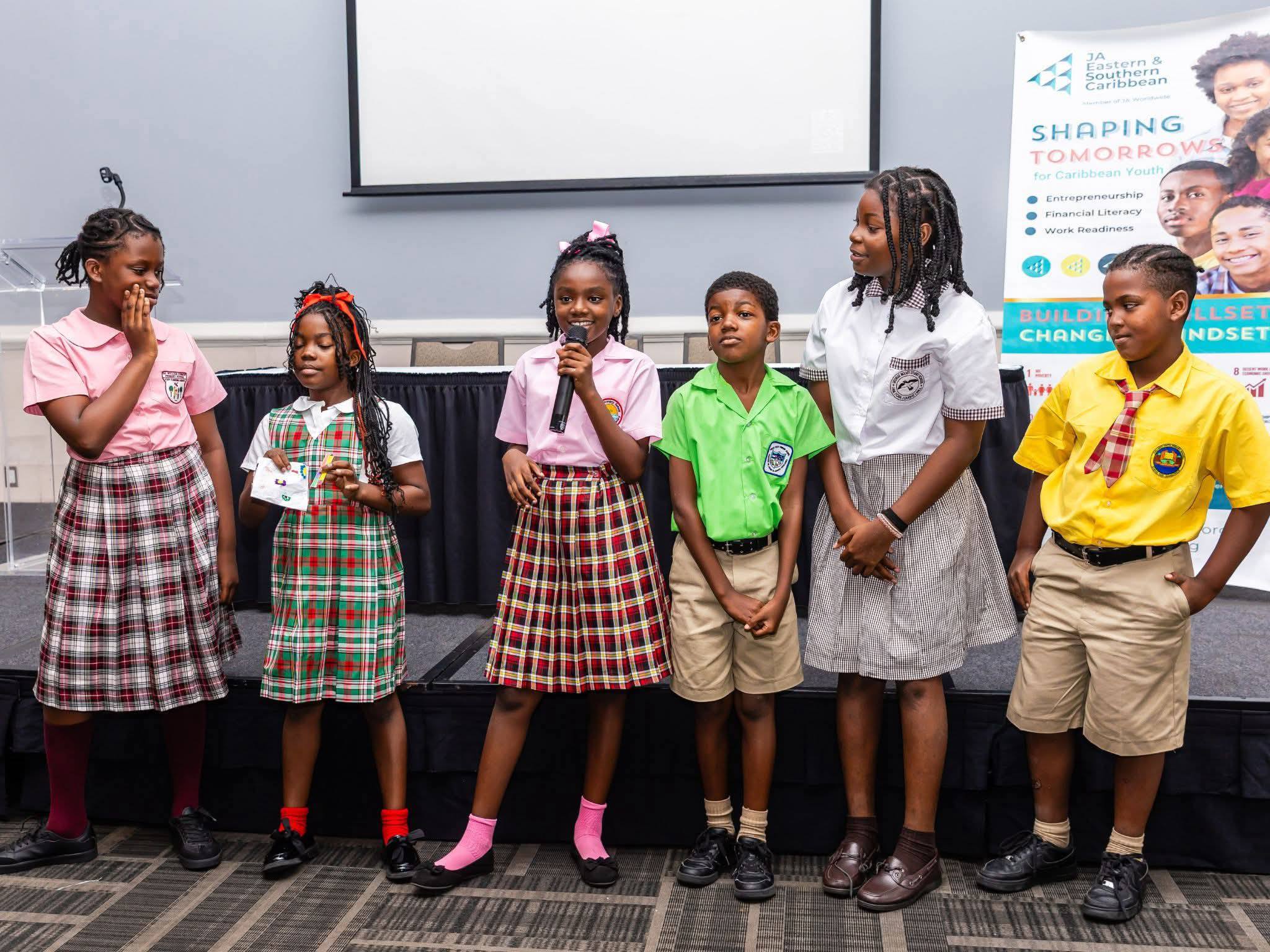
For the first time in history, students across the OECS have the opportunity to directly influence the future of education through the OECS Student Census, which was launched on November 11, 2025. The initiative marks the first time globally that students from an entire region are participating in a single, region-wide student census.
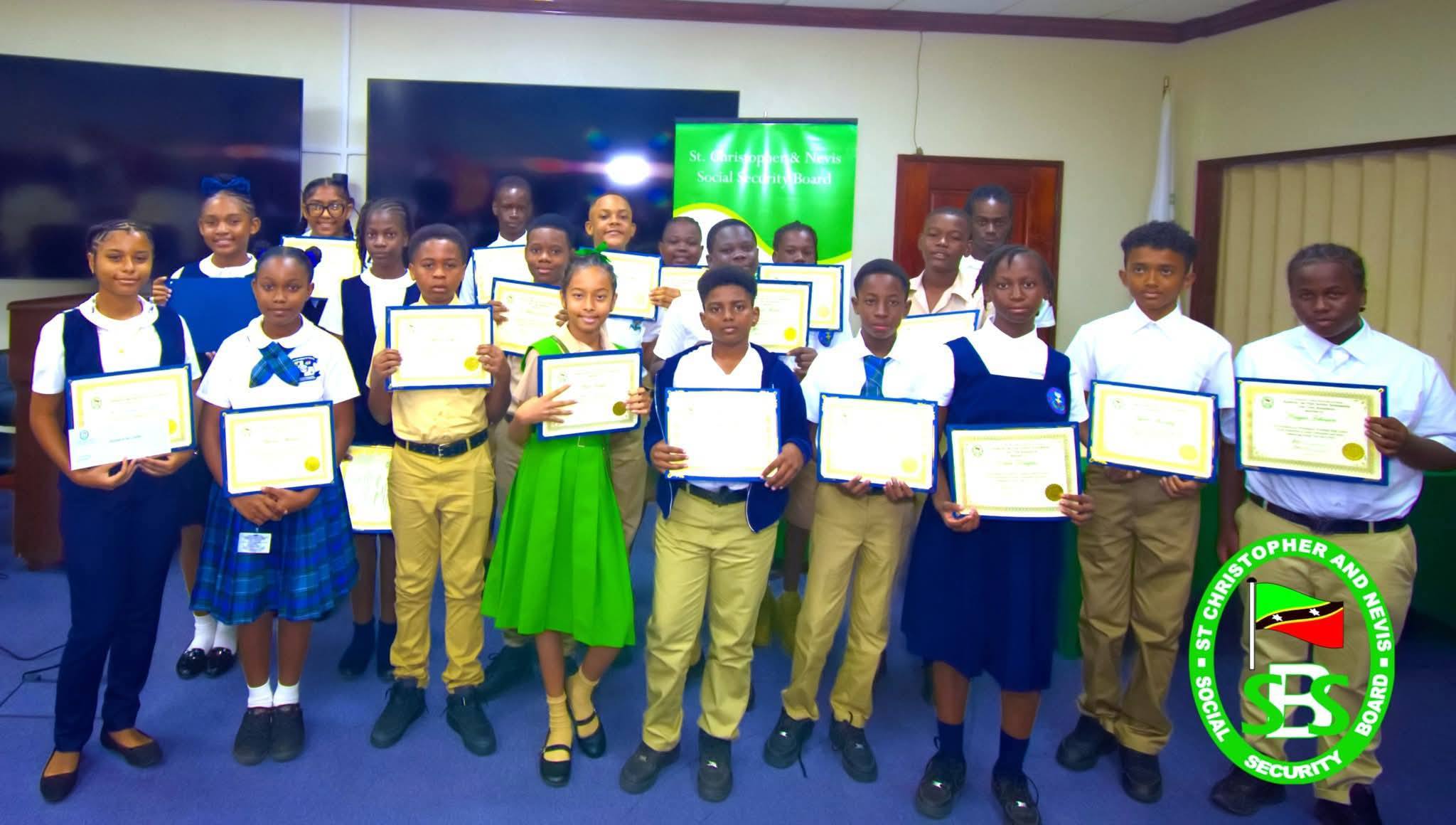
“Today, across our islands, we make history. For the first time anywhere in the world, every student—from kindergarten to secondary—will take part in a single, region-wide student census. Not a sample. Not a survey of a few. A true census giving every child the chance to be heard,” said Dr. Didacus Jules, Director General of the OECS. “The OECS is the first region in the world to undertake this total student-voice census, because transformation begins with listening.”
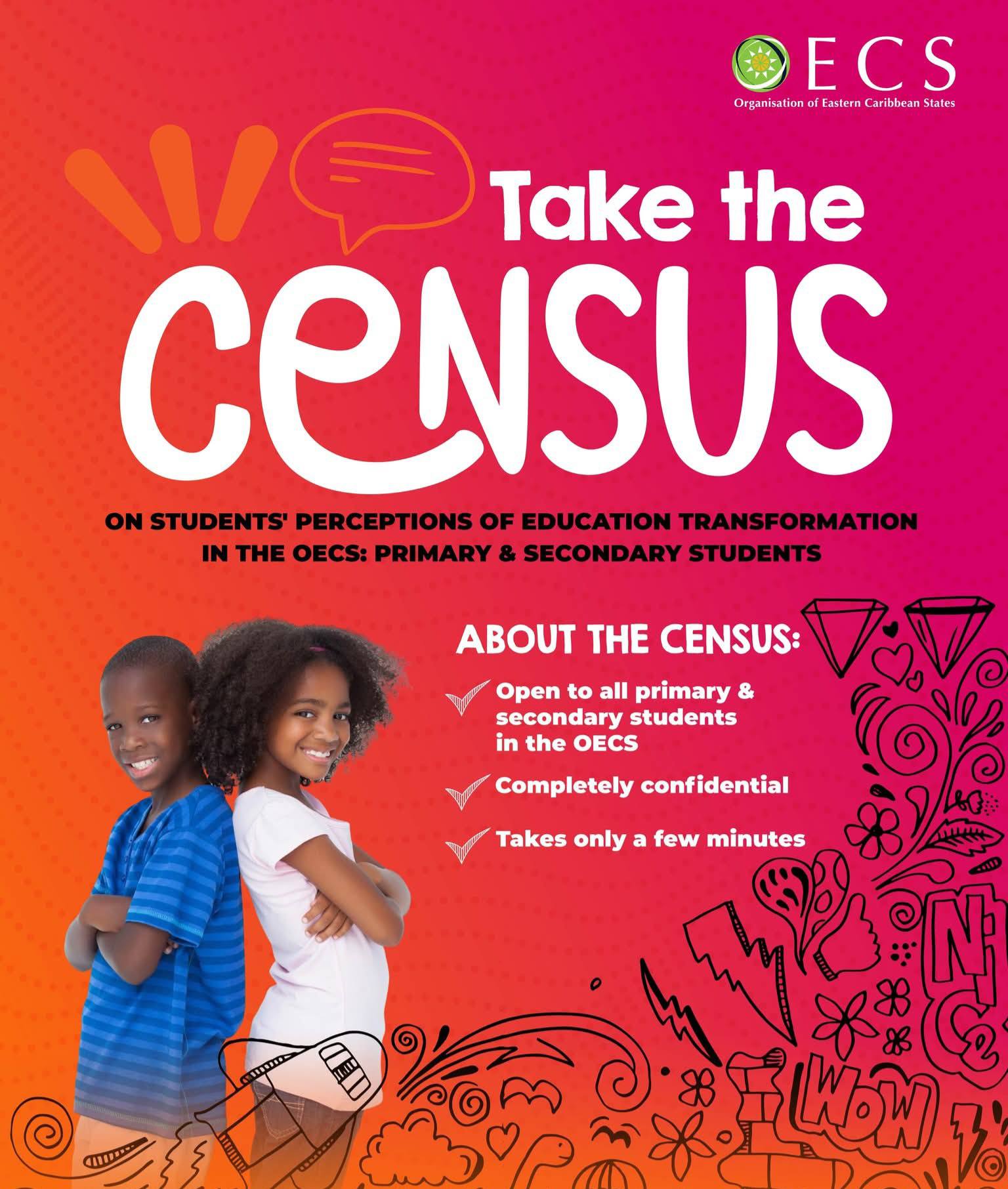
“The Student Census presents an opportunity to capture accurate, up-to-date information on every student. By doing so, we gain the insights needed to shape policies that truly respond to their needs and aspirations. This initiative empowers us to make informed decisions, close gaps, and unlock the full potential of our young people across the region,” she said.
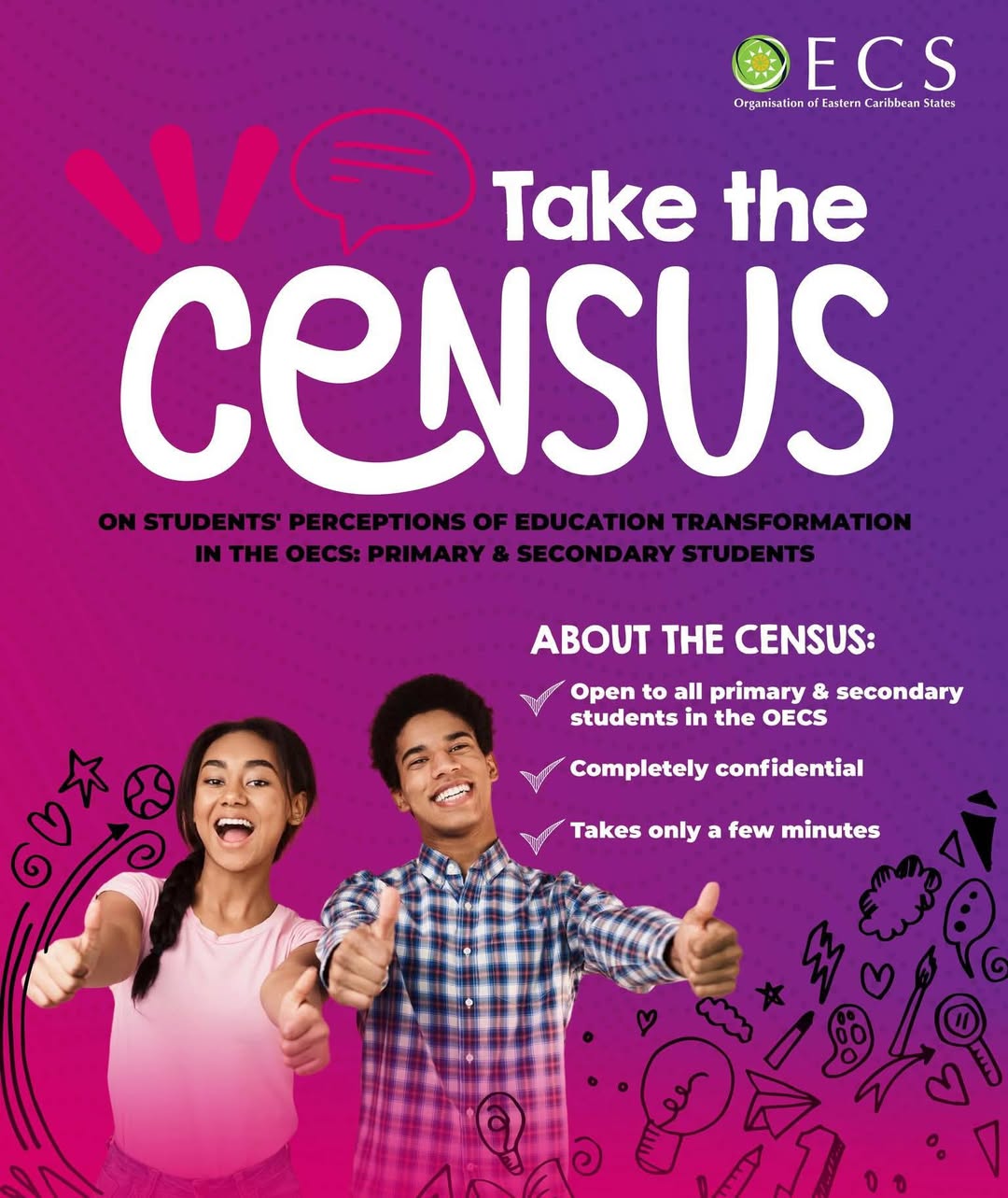
* Understand students’ needs and challenges;
* Improve classroom teaching and school environments; and
* Design inclusive and future-ready education systems.
Data collected from the census will inform the new **10-Year OECS Education Sector Strategy (2027–2037)**, ensuring it is grounded in the lived experiences of students.
The OECS is encouraging parents, caregivers, and community members to support the initiative by promoting student participation and spreading awareness. Members of the public can assist by encouraging children to complete the census at school, promoting its importance within communities and networks, and sharing official materials on social media.
The OECS has assured that all information collected will remain confidential and secure. The census will be administered in schools across participating OECS Member States, with all data anonymised to ensure students can express themselves freely and safely.
The OECS Student Census is expected to amplify the voices of more than 100,000 learners across the region and represents a bold step toward building more inclusive, equitable, and student-centred education systems that reflect the true realities of learners today.