OECS Media Release
Regional policymakers, scientists, and biodiversity experts gathered from March 3-5, 2026, at The University of the West Indies (UWI), St. Augustine Campus in Trinidad and Tobago, for a three-day Capacity-Building Workshop on Access and Benefit-Sharing (ABS) aimed at strengthening the Caribbean’s ability to manage genetic resources – which are all living organisms and their parts – and ensure equitable sharing of benefits derived from their use.

The three-day event focused on strengthening regional understanding and implementation of Access and Benefit-Sharing frameworks under the Convention on Biological Diversity and its Nagoya Protocol, which seek to ensure that countries and local communities receive fair benefits when their genetic resources are used in research, biotechnology, and innovation.
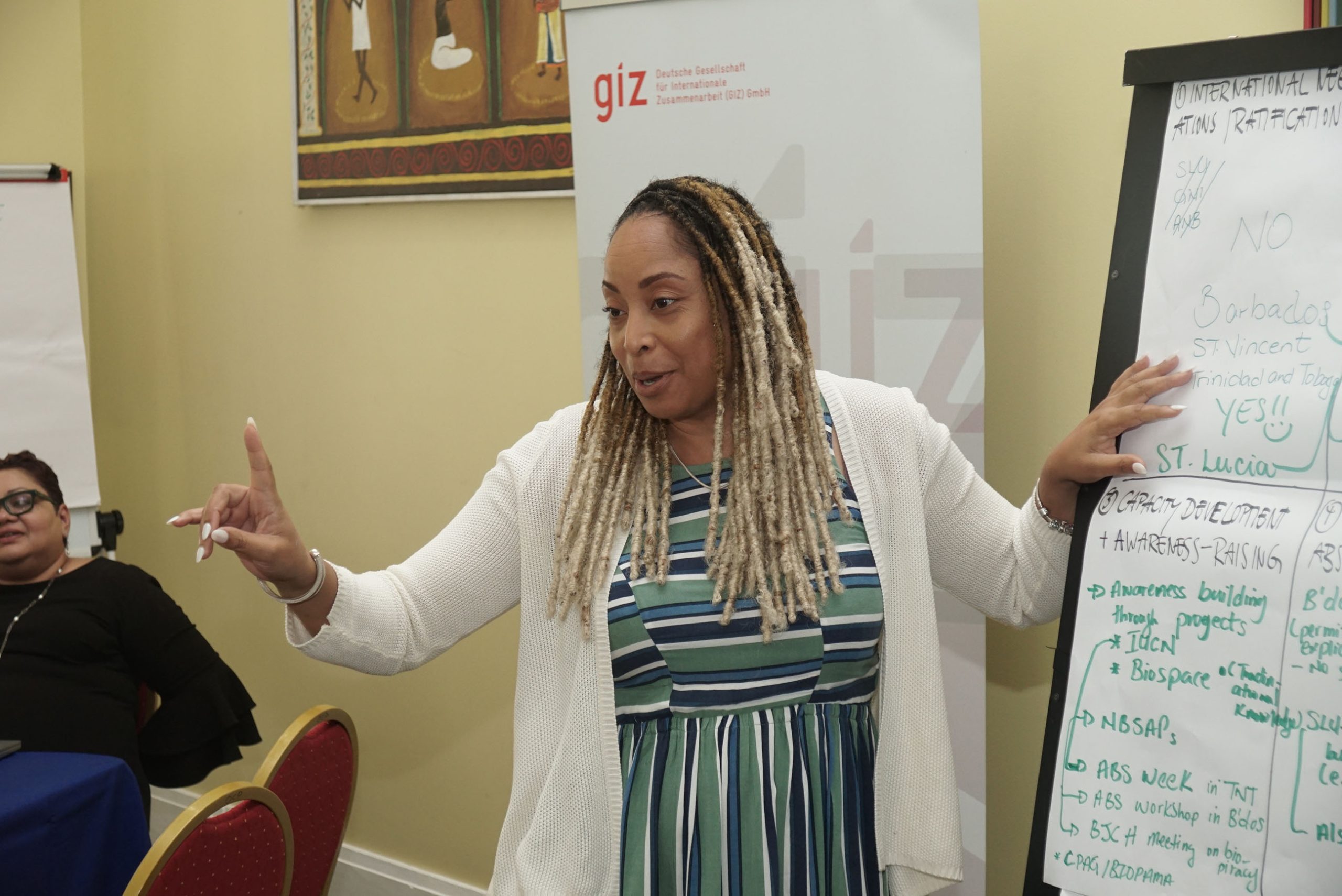
The event also fostered dialogue between scientists and policymakers to build stronger collaboration and improve regional coordination in the implementation of ABS systems.
“Access and Benefit-Sharing is an essential mechanism for ensuring that the Caribbean’s rich biodiversity contributes to sustainable development while safeguarding the rights and interests of our countries and communities. Strengthening the region’s expertise and coordination will help ensure that we are well positioned to manage genetic resources responsibly for the benefit of everyone.”
Ms Teshia Jn Baptiste, Senior Project Officer, Sustainable Development at the CARICOM Secretariat, underscored the value of regional collaboration in advancing ABS implementation.
“Regional cooperation is essential to ensure that CARICOM Member States can effectively implement Access and Benefit-Sharing frameworks and further work to be done in support of countries’ ratification of the Nagoya Protocol that ensures fair and equitable sharing of benefits from the utilisation of genetic resources and associated traditional knowledge. Workshops such like this one help build the shared understanding and technical capacity needed to harmonise approaches and support sustainable use of biodiversity across the region.”
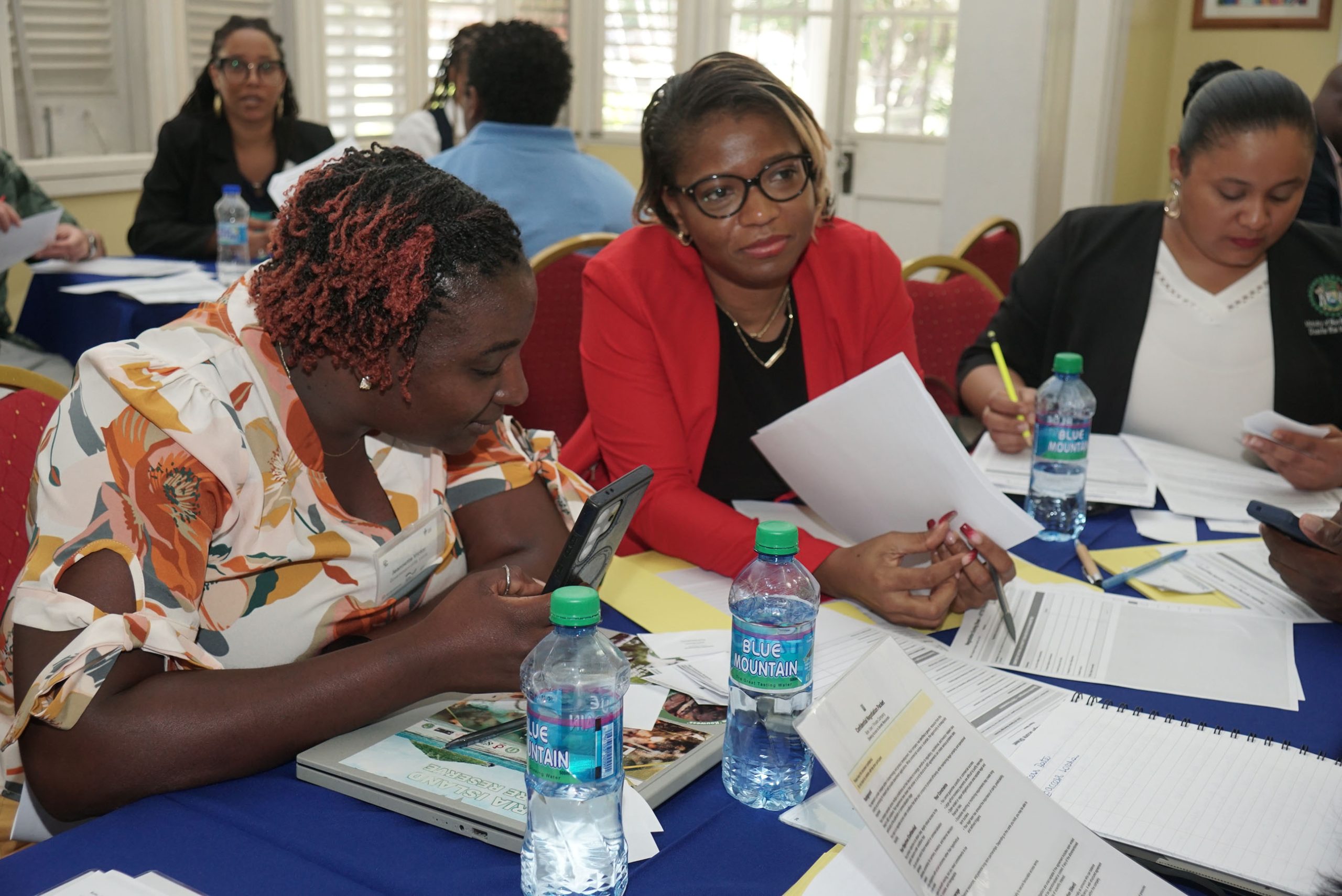
Eva Wuttge, GIZ Head of the CARIBIO project from GIZ, noted that strengthening institutional and technical capacity is key to enabling Caribbean countries to benefit from scientific research while protecting biodiversity.
“By supporting regional dialogue, national Access and Benefit-Sharing frameworks, and a regional IT-based application and monitoring system, this initiative helps create the conditions needed for countries to effectively implement the Nagoya Protocol. This will ultimately contribute to protecting biodiversity while providing sustainable economic opportunities and ensuring benefit-sharing.”
The workshop also benefited from contributions from scientists and experts involved in the European Union-funded BlueRemediomics project, which is supporting capacity development on marine biotechnology and ABS negotiation in the Caribbean, the Pacific region, and Africa.
By bringing together scientists, regulators, and policymakers, the workshop created an important platform for science–policy dialogue, helping strengthen the region’s ability to implement equitable and effective Access and Benefit-Sharing mechanisms.