

Source:Erasmus Williams FB
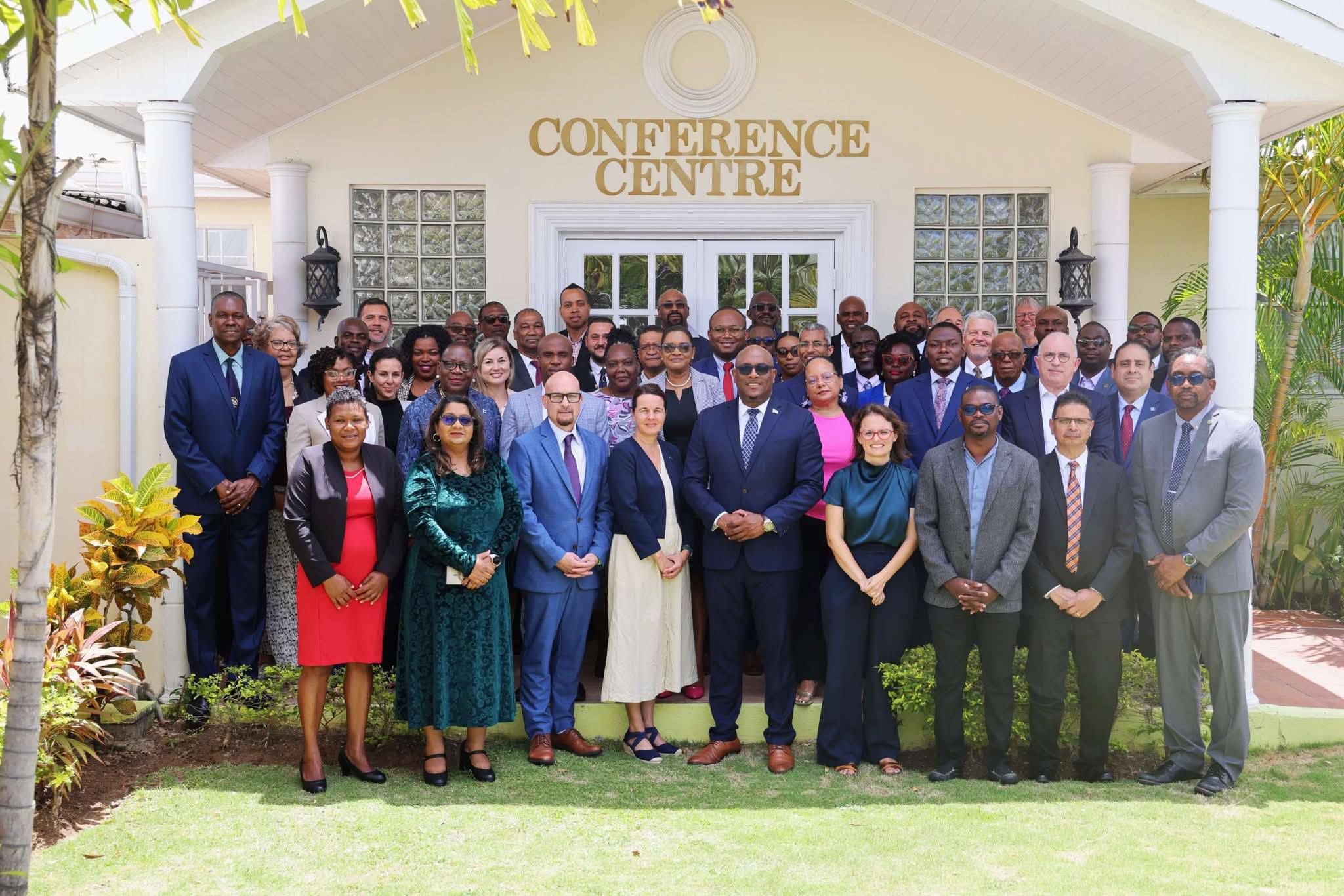
BASSETERRE, ST. KITTS, May 21, 2026 — The St. Christopher Air & Sea Ports Authority has announced that its Chief Operations Officer, Calvin Duggins, was among regional representatives attending a high-level policy and strategy workshop on Port Reform, Digitalisation, and Customs Cooperation held in Saint Lucia.
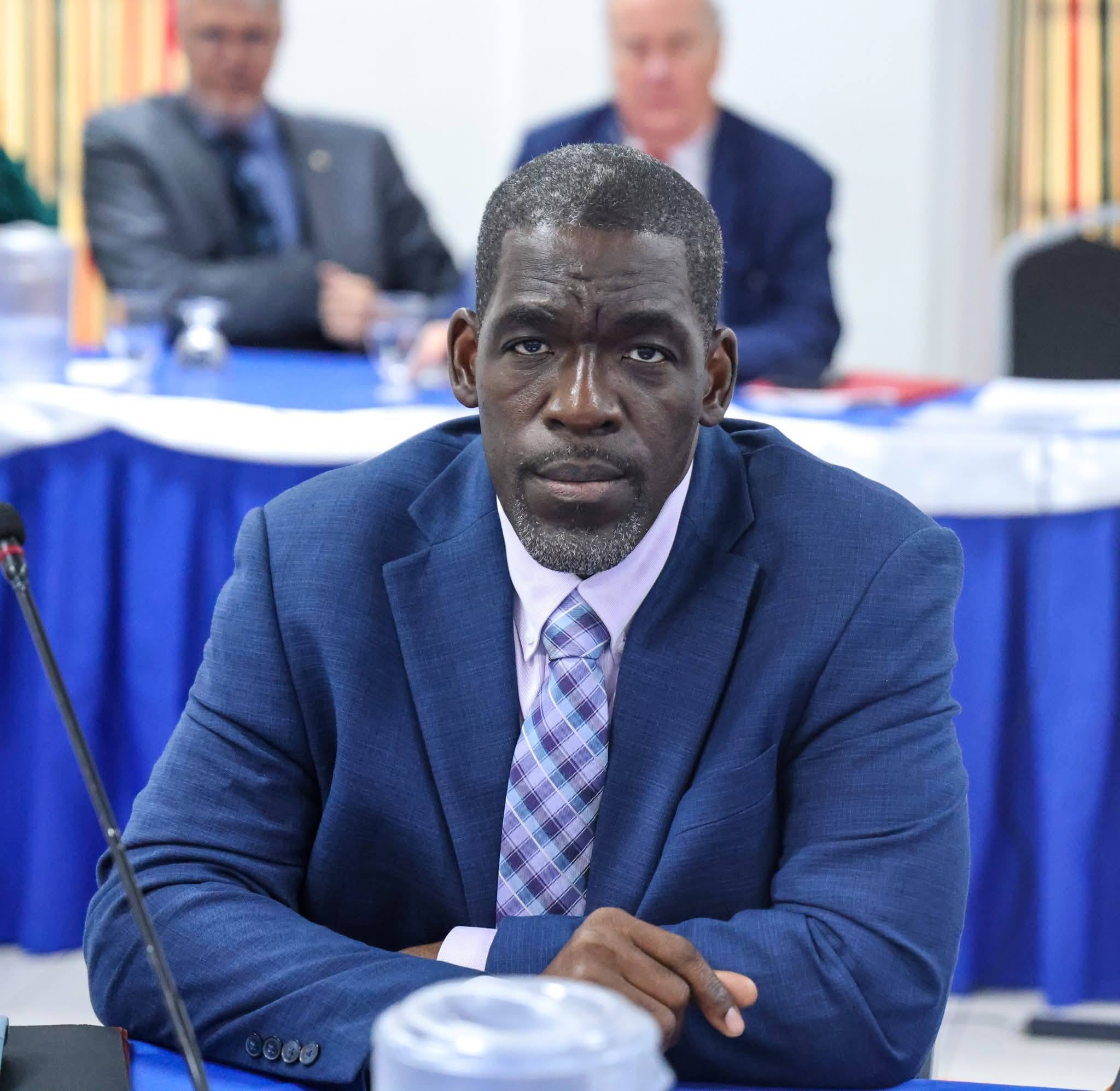 The three-day milestone event was also attended by Acting Financial Secretary Carlton Pogson.
SCASPA noted that the meeting brought together regional ministers and permanent secretaries responsible for ports, senior port and customs officials, key stakeholders within the maritime transport and logistics ecosystem, and international experts. The objective was to catalyse a reform agenda aimed at modernising maritime gateways across the Eastern Caribbean, including strengthening customs and port cooperation.
The workshop served as a critical pillar in the preparation of a Caribbean Connectivity and Logistics Regional Programme, supported by the World Bank, and in shaping European Union support for the maritime sector under the Global Gateway Strategy.
During the opening ceremony, Shawn Edwards, Minister for Infrastructure, Port Services and Energy in Saint Lucia, emphasised the urgency of these reforms, describing ports as lifelines for small island developing states.
 “We face high freight costs, limited shipping options, and infrastructural challenges, even as global shipping trends move toward larger vessels and increased consolidation. These realities make it clear: reform, digitalisation, and cooperation are no longer optional—they are essential for long-term economic growth and resilience,” he stated.
Darwin Telemaque, Chairman of the Port Management Association of the Caribbean, issued a strong call to action to move beyond prolonged discussions.
“The region is craving critical regulatory reform,” Mr. Telemaque said, noting that many ports remain constrained by structures inherited from the 1950s and 1960s. “It is time to free the private sector and citizens from the burdens that have long affected our ports.”
Alexander Agosti, World Bank Country Representative for the Eastern Caribbean, underscored that port performance is a strategic priority requiring sustained political commitment. He noted that inefficient ports increase the cost of doing business and limit opportunities for Caribbean citizens. Agosti reaffirmed the Bank’s commitment to building regional consensus and capacity to translate reform goals into tangible, lasting outcomes.
Highlighting the importance of international cooperation, Fiona Ramsey, European Union Ambassador-designate, announced the mobilisation of funding under the Global Gateway Strategy to support maritime transport modernisation.
“We live on a blue planet, so it is not surprising that 80% of global trade by volume is transported by sea. That figure rises to 90% in the Caribbean when considering intra-regional trade,” she noted.
Ricardo James, Head of Trade Policy Development at the Organisation of Eastern Caribbean States Commission, concluded the session by emphasising the need to fully operationalise existing regional frameworks such as the OECS and Caribbean Community. He highlighted that the Revised Treaties of Basseterre and Chaguaramas provide a mandate for joint action in the transport sector.
Participants recognised the urgent need to accelerate policy, legislative, regulatory, and institutional reforms to strengthen maritime transport governance, improve port efficiency, and enhance regional connectivity and logistics.
The critical interface between customs and port operations was also highlighted, with calls to modernise legislative frameworks, re-engineer business processes, and transition toward digital, data-driven systems.
The workshop concluded with a strong consensus on the need to implement concrete, actionable reforms to strengthen port governance, unlock sustainable financing, and advance digital transformation across the Caribbean. Participants also underscored the importance of regional coordination among OECS and wider CARICOM Member States as a key driver of efficiency, transparency, and resilience.