
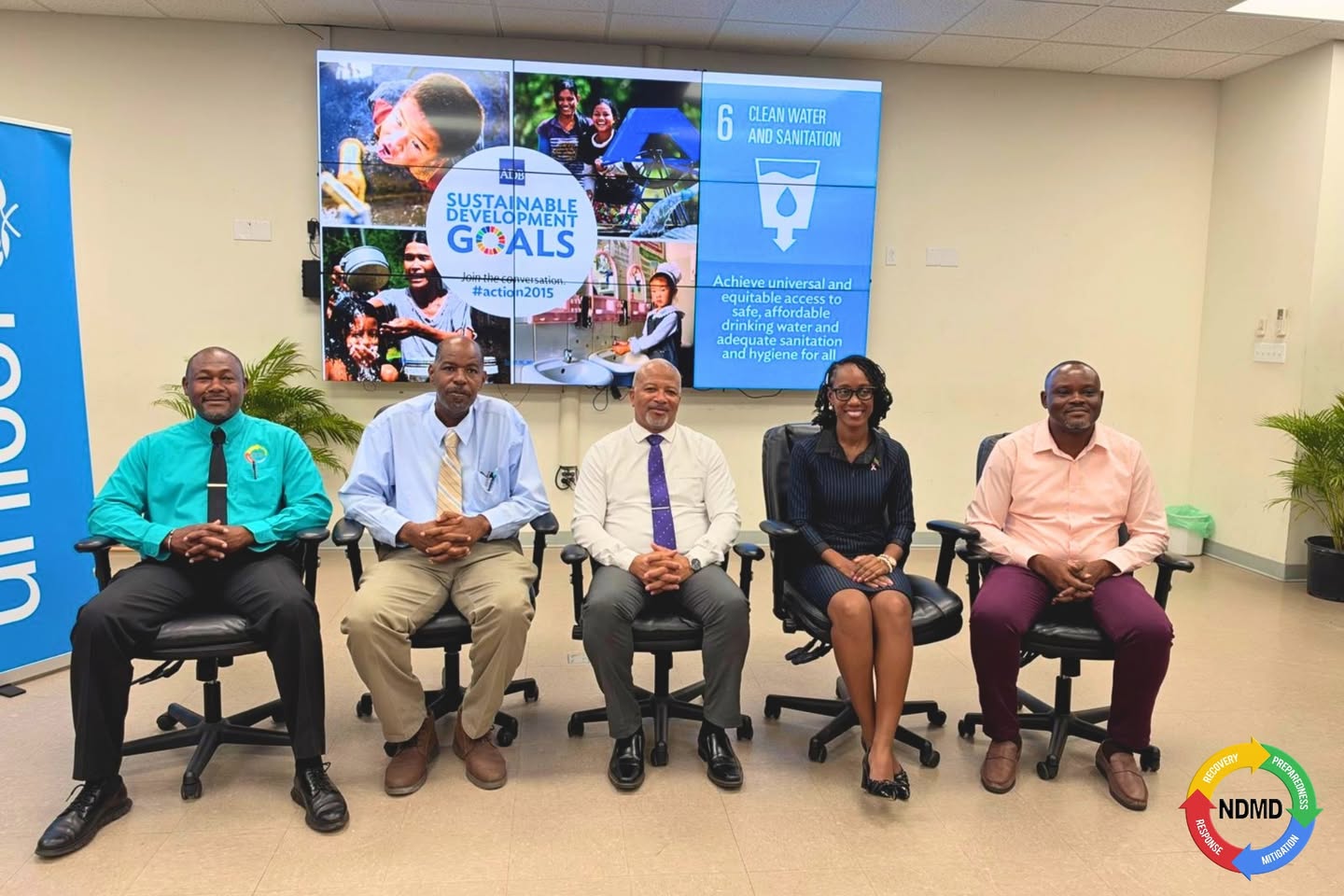
CHARLESTOWN, NEVIS — Efforts to strengthen emergency water, sanitation and hygiene preparedness across Saint Kitts and Nevis received renewed attention on Monday, October 26, as the Nevis Disaster Management Department (NDMD), in collaboration with the National Emergency Management Agency (NEMA) and supported by UNICEF, launched a four-day Water, Sanitation and Hygiene (WASH) in Emergencies Training Workshop at the NDMD Emergency Operations Centre, Long Point.

The workshop brings together representatives from key sectors to strengthen institutional coordination, protect essential services, and enhance public health preparedness before, during, and after disasters.
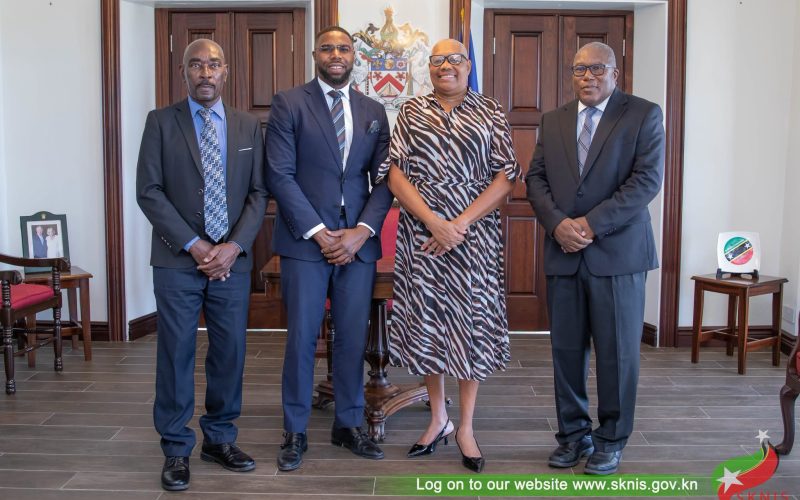
Officially declaring the workshop open, Minister with responsibility for Water and Disaster Management, the Honourable Spencer Brand, reaffirmed the government’s commitment to strengthening water security and disaster resilience. “I do not believe that we can have proper hygiene or sanitation without water,” Minister Brand said, stressing the need for coordinated action among agencies responsible for essential services.
Junior Minister with responsibility for Health and Gender Affairs, the Honourable Jahnel Nisbett, stressed the importance of inclusive emergency planning, particularly ensuring that emergency shelters and relief supplies adequately address the sanitation, menstrual hygiene, privacy, and dignity needs of women and girls.
National Disaster Coordinator Mr Livingston Pemberton underscored the importance of collective responsibility, cautioning that contaminated water and inadequate sanitation can intensify public health risks during emergencies.
NDMD Director Mr Brian Dyer described water as fundamental to “life, dignity and resilience,” highlighting the need for improved information sharing and renewed efforts to establish functional WASH coordination mechanisms at national and local levels.
The training, which continues through October 29, is facilitated by Mr Gabriel Aduwasu, a UNICEF Consultant and Mr Javier Ottely, Community Liaison Officer (NDMD). It focuses on strengthening institutional collaboration, information sharing, and practical preparedness measures to safeguard essential water, sanitation, and hygiene services during emergencies—helping to make Saint Kitts and Nevis safer and more resilient.