
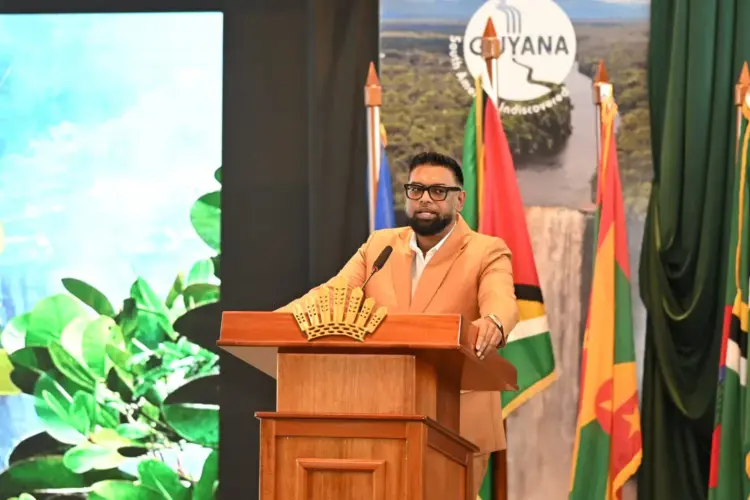
GEORGETOWN, GUYANA, October 12, 2026 — President of Guyana, Dr. Mohamed Irfaan Ali, is calling for more efficient, digitally enabled visa processing across the Caribbean, arguing that lengthy application procedures and limited access to visa services are hindering regional mobility, business development and international partnerships.
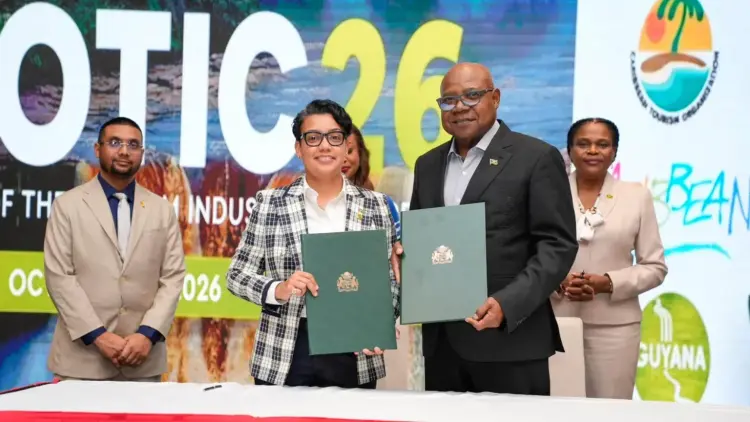
President Ali made the call on Wednesday, October 7, during the opening of the Caribbean Tourism Organization’s (CTO) State of the Tourism Industry Conference (SOTIC) 2026 in Georgetown, Guyana. He emphasised that modern technology should be used to simplify travel documentation and make movement between countries more convenient.
The Guyanese Head of State highlighted the challenges faced by Caribbean nationals who must travel to other countries, including Trinidad and Tobago or Suriname, to complete certain visa application requirements for travel to Europe. Such arrangements can involve additional travel expenses, delays in securing appointments and uncertainty for individuals planning international trips.
“The modern world can’t be that complicated. You can get the biometrics of anybody … in a couple of seconds,” President Ali said, questioning why technological advancements have not been more effectively applied to streamline the process.
He also underscored the difficulties that restrictive visa procedures create for government officials, business representatives and other delegates invited to participate in international conferences and engagements, noting that such barriers can undermine efforts to establish meaningful relationships and cooperation.
“You can’t build partnership and friendship like that,” he said.
President Ali contrasted the challenges experienced by Caribbean travellers with electronic visa systems in Gulf states, which he said offer more convenient application processes alongside frequent air connections between destinations.
He argued that improving visa accessibility and reducing administrative barriers would strengthen the Caribbean’s tourism industry by making it easier for visitors to explore multiple destinations within a single trip. A more integrated approach, he suggested, would allow countries to complement one another’s tourism offerings rather than operate as isolated markets.
The President also pointed to expanding connectivity across Latin America, highlighting the importance of developing stronger regional networks that facilitate the movement of people between countries.
He stressed that connectivity must extend beyond airlift and transportation infrastructure to include efficient travel documentation, accessible visa services and greater use of digital technology.
President Ali’s call comes amid wider regional discussions about strengthening Caribbean tourism competitiveness, deepening cooperation and creating a more seamless visitor experience. Greater coordination in visa processing and travel facilitation, he suggested, could help the region attract more visitors, encourage investment and expand opportunities for businesses and communities.
His remarks reinforced the importance of treating regional mobility as a key component of the Caribbean’s tourism development strategy, particularly as destinations seek to maximise the economic benefits of tourism while strengthening regional integration.