
OECS Press Release
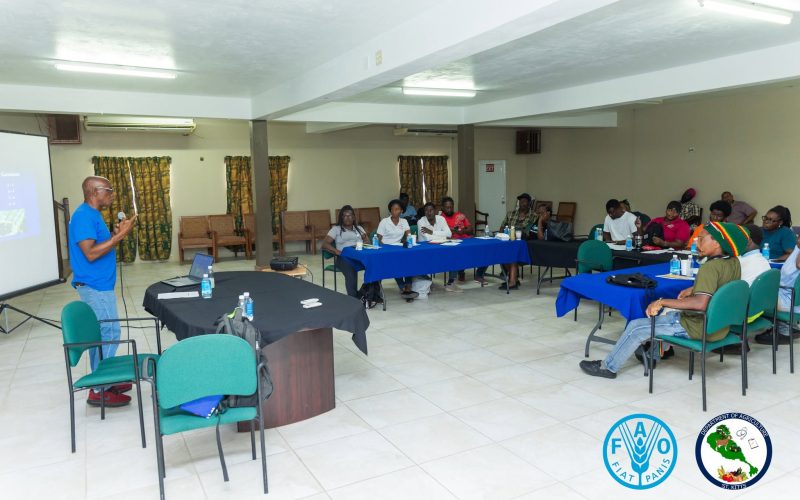
The Organisation of Eastern Caribbean States (OECS) Commission and the Caribbean Biodiversity Fund (CBF) have concluded a specialised three-day workshop aimed at transforming Dominica’s sea moss industry into a cornerstone of the regional blue economy. Held from 14–16 April 2026, at the Fisheries Division Conference Room in Roseau, the training focused on elevating local production to international food safety and business standards. This initiative is part of the Caribbean Regional Architecture for Biodiversity (CRAB) Project, funded by the CBF with support from the Agence Française de Développement (AFD) and Le Fonds Français pour l’Environnement Mondial (FFEM).
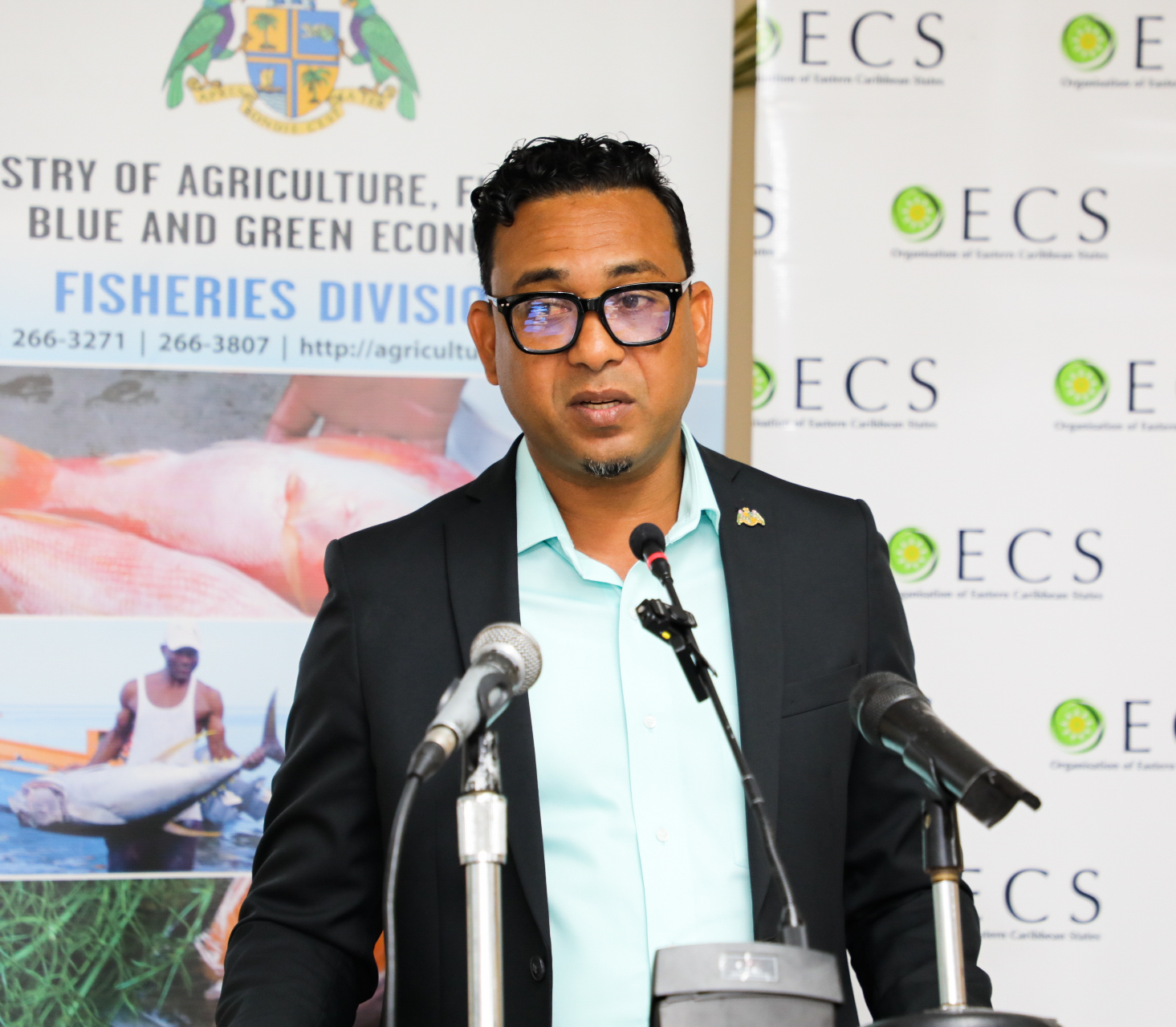
The workshop directly supports Dominica’s national objective to contribute $700 million to the world’s gross domestic product by 2030. This goal is built on three policy pillars: increasing production for import substitution, enhancing the Nature Island brand, and expanding agro-processing output to ensure a consistent supply of raw materials. Ryan Anselm, Permanent Secretary in the Ministry of Agriculture, explained.
Dominica’s Minister of State in the Ministry of Agriculture, Fisheries, Blue and Green Economy, Hon. Jullan Defoe, highlighted the sector’s potential for social empowerment.
“Sea moss is not only an avenue for income generation, but also a strategic opportunity to diversify our economy, strengthen climate resilience and create new pathways for youth and women in particular. It is a natural fit for our blue and green economy agenda.”
OECS Press Release
The Organisation of Eastern Caribbean States (OECS) Commission and the Caribbean Biodiversity Fund (CBF) have concluded a specialised three-day workshop aimed at transforming Dominica’s sea moss industry into a cornerstone of the regional blue economy. Held from 14–16 April 2026, at the Fisheries Division Conference Room in Roseau, the training focused on elevating local production to international food safety and business standards. This initiative is part of the Caribbean Regional Architecture for Biodiversity (CRAB) Project, funded by the CBF with support from the Agence Française de Développement (AFD) and Le Fonds Français pour l’Environnement Mondial (FFEM).
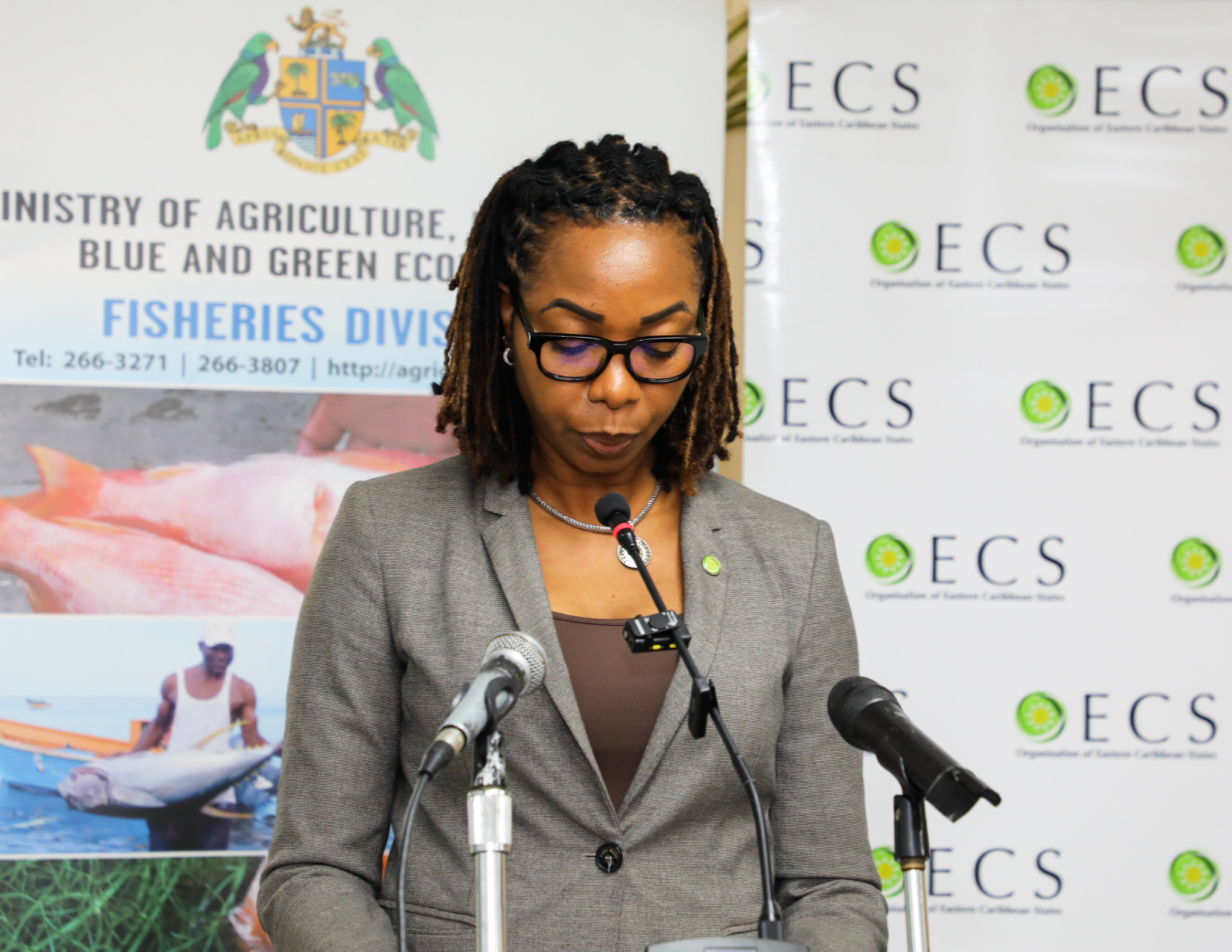
The workshop directly supports Dominica’s national objective to contribute $700 million to the world’s gross domestic product by 2030. This goal is built on three policy pillars: increasing production for import substitution, enhancing the Nature Island brand, and expanding agro-processing output to ensure a consistent supply of raw materials. Ryan Anselm, Permanent Secretary in the Ministry of Agriculture, explained.
Dominica’s Minister of State in the Ministry of Agriculture, Fisheries, Blue and Green Economy, Hon. Jullan Defoe, highlighted the sector’s potential for social empowerment.
“Sea moss is not only an avenue for income generation, but also a strategic opportunity to diversify our economy, strengthen climate resilience and create new pathways for youth and women in particular. It is a natural fit for our blue and green economy agenda.”
Natasha Deterville-Moise, Officer in Charge of the OECS Economic Development Unit, noted that the workshop is a direct implementation of the OECS Food and Agriculture Systems Transformation (FAST) Strategy.
“We are shifting from ‘planning’ to ‘purposeful delivery,’ ensuring our farmers treat sea moss production as a sustainable business.”
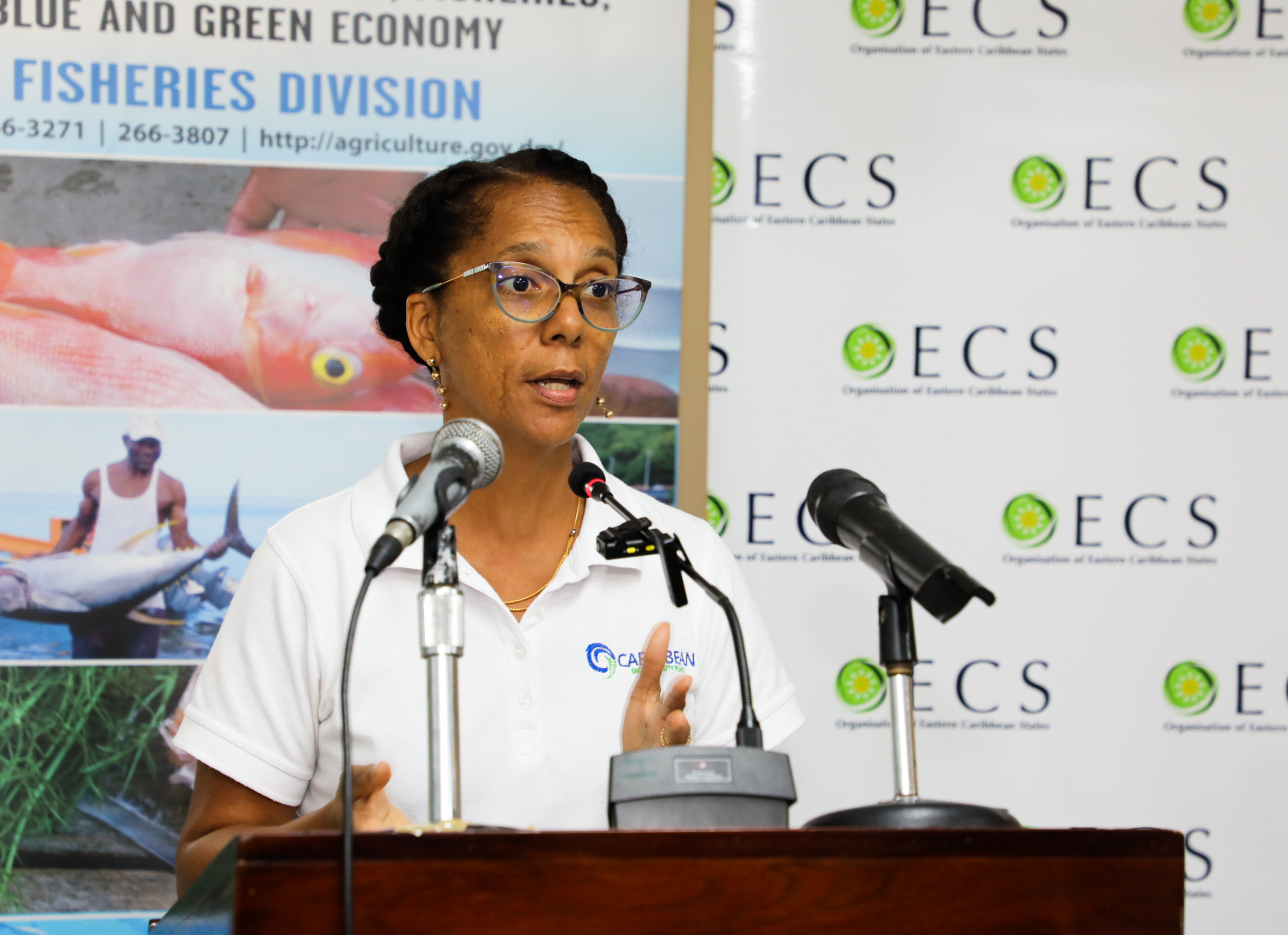
Theresa Erin Sanderson, Technical Officer for the CRAB Project at the Caribbean Biodiversity Fund, emphasised the long-term vision of the collaboration.
“This initiative reflects our vision of a Caribbean where both nature and people thrive. By investing in skills and knowledge today, we are taking an important step towards building a sustainable sea moss industry that supports resilient livelihoods and a healthier environment for Dominica’s communities.”
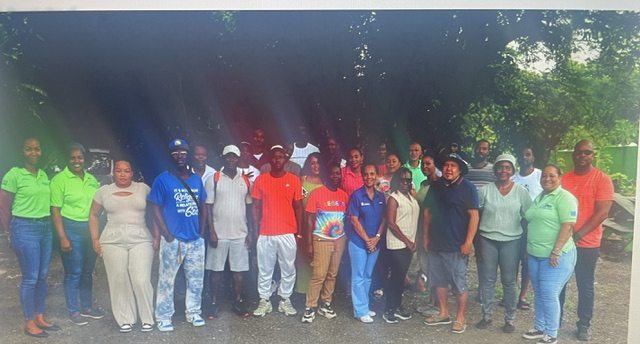
The workshop concluded with a field visit on the third day, bridging classroom theory with real-world application in Dominica’s coastal waters. By fostering these nature-based livelihoods, the OECS and its partners are ensuring that Dominica’s “green and blue” potential translates into tangible economic prosperity for all.