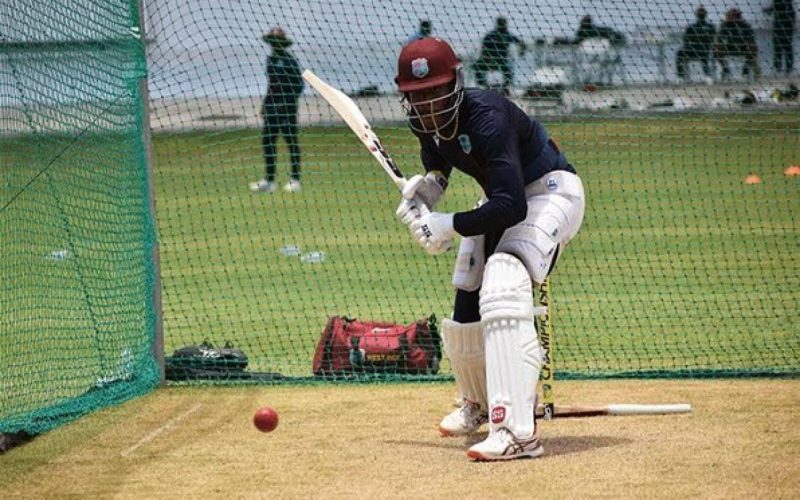


Source: CNW
In a performance that combined patience, precision, and sheer dominance, the West Indies ended a 34-year drought by sealing their first One-Day International (ODI) series victory over Pakistan since 1991—doing so with their most emphatic margin against the subcontinental side.
Jayden Seales’ masterful six-wicket burst—joint second-best figures ever recorded by a West Indian in men’s ODIs—paired seamlessly with Shai Hope’s unbeaten century, shredding Pakistan’s resolve in both innings. Chasing 295, Pakistan capitulated for 92 in just 23.2 overs, a collapse that underscored West Indies’ ruthless execution.
From Caution to Carnage
For much of the West Indies’ innings, progress was slow, dictated by Pakistan’s disciplined slower bowlers and shrewd rotation of part-time options. Mohammad Rizwan, sensing an opportunity to squeeze, relied heavily on these overs to curb scoring.
By the 44th over, West Indies had yet to breach 200—a total that looked more measured than menacing. Then, in a single delivery, Hope altered the course of the match. He launched Mohammad Nawaz over the rope for six, bringing up the milestone, then repeated the feat immediately after, signalling a calculated shift from caution to calculated aggression.
The momentum snowballed. Rizwan turned to Abrar Ahmed—so frugal earlier he had conceded just five runs in six overs—but Hope and Justin Greaves dismantled the mystery spinner and Hasan Ali in tandem. Naseem Shah’s attempted reverse-swing assault could not halt the surge, and Hope’s elegant cover drive to reach three figures placed him third on the all-time West Indian ODI hundreds list.
By the close, 100 runs had flowed from the final seven overs, capped by Hope’s deft late cut over backward point. Pakistan trudged off visibly unsettled—yet the worst was still to come.
Seales’ Spell of Supremacy
What followed was a burst of fast-bowling brilliance from Seales that will be etched into West Indies cricketing folklore.
Saim Ayub departed in the opening over, edging a delivery that straightened away. Abdullah Shafique soon followed, attempting to loft Seales down the ground but misjudging the weight of the ball, presenting a simple catch to Gudakesh Motie.
The crown jewel of Seales’ haul came next—Rizwan, attempting to leave a ball outside off, watched in disbelief as it jagged back and clipped the off bail with surgical precision, the stump otherwise untouched.
Babar Azam, Pakistan’s talisman, offered only fleeting resistance before falling lbw, trapped on the crease while still in single digits. In just 92 balls of play spanning both innings, West Indies had seized an unassailable grip on the match.
Pakistan’s Resistance Dissolves
From there, Pakistan’s fight became more symbolic than strategic. Salman Agha and Hasan Nawaz scratched for singles as the required rate soared into impossibility. Pakistan’s decision to bolster batting depth at the expense of specialist bowlers now looked more like a gamble than a plan.
Motie and Roston Chase joined the act, prising out middle-order batters with minimal fuss. The end came swiftly—Seales accounted for Naseem Shah and Hasan Ali in quick succession before Abrar Ahmed’s ill-fated single ended in a direct-hit run-out from Chase. That final act denied Seales the outright best West Indian ODI figures, but by then, the contest was long settled.
An Unmistakable Statement
From Hope’s late-innings acceleration to Seales’ relentless new-ball onslaught, the West Indies did more than just win—they made a statement. This was a team in command, blending patience with precision, and showing that a 34-year narrative could be rewritten in a single afternoon.