
Source: Erasmus Williams FB
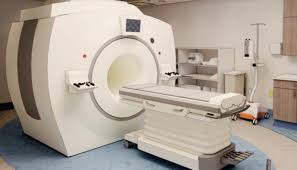
BASSETERRE, ST. KITTS – The MRI Centre at the Joseph N. France General Hospital, a key component of the St. Kitts-Nevis Labour Party (SKNLP) Government’s efforts to expand specialised healthcare services and reduce the need for residents to travel overseas for advanced diagnostic imaging, is expected to become operational by the end of the year.

Director of Health Projects and Strategic Initiatives, Dr Jenson Morton, said construction of the MRI Centre has entered its final phase, noting that the building designated to house the MRI equipment has been completed.
The remaining work includes final electrical installations and adjustments to the air-conditioning system. Once these are completed, the next major step will be the installation of a specialised protective enclosure known as a Faraday cage, which is essential for safely housing the MRI machine’s powerful magnetic field.
The Faraday cage will be installed by a Florida-based company, after which the MRI machine will be delivered and commissioned.
Dr Morton emphasised that the installation process requires careful planning and cannot be rushed. Unlike other diagnostic imaging equipment such as CT scanners, X-ray machines, and ultrasound systems, MRI machines require highly controlled conditions from the moment they arrive to ensure the safety of patients and healthcare personnel while protecting the equipment.
“An MRI… you can consider it to be a human organ,” Dr Morton explained. “It has to be plugged up, and it has to be kept in these optimal conditions; otherwise, you can consider its reactor to break down, and you lose your whole investment.”
Given the complexity and cost of the equipment, the Ministry of Health is ensuring that every aspect of the facility is fully prepared before the MRI system is shipped to St. Kitts.
“We cannot just ship it and then have it here without everything in place so that it can be installed practically immediately,” Dr Morton said.
He noted that experiences in other jurisdictions have underscored the importance of completing all necessary preparations before delivery to avoid delays and protect the investment.
Once the MRI machine arrives, a coordinated team comprising logistics personnel, local experts, and technicians from Florida will oversee its installation. Dr Morton said the installation process is expected to take approximately 14 days, allowing sufficient time to address any unforeseen challenges while ensuring the equipment is properly commissioned.
Following installation, healthcare professionals will undergo specialised training in the operation of the MRI system, while local engineering and maintenance personnel will receive instruction in routine maintenance procedures and basic troubleshooting.
The commissioning of the MRI Centre represents a significant milestone in the government’s ongoing investment in healthcare infrastructure. Once operational, the facility will provide residents with access to advanced diagnostic imaging services locally, improving patient care while reducing the financial and logistical burden associated with overseas medical travel.