
Source : Antigua News
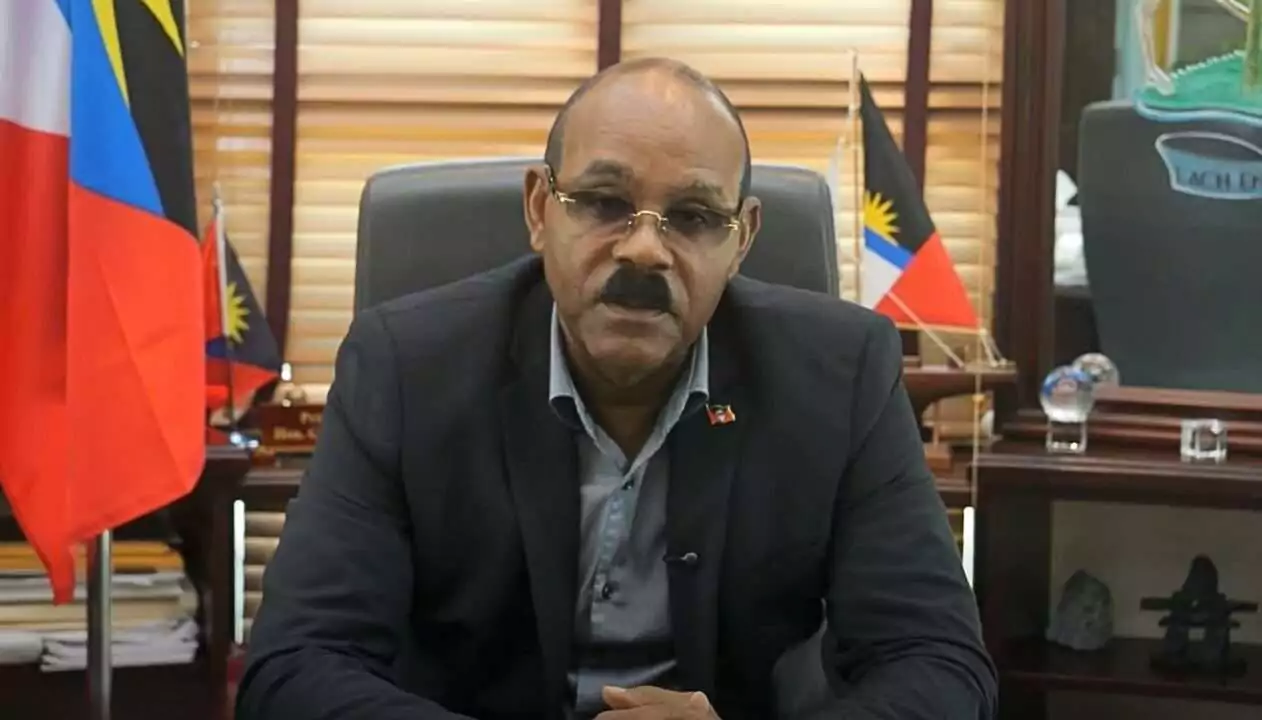
Antigua and Barbuda’s Prime Minister Gaston Browne has renewed calls for reparatory justice, declaring that reparations for slavery and colonialism should not be regarded as charity or an attempt to blame present generations for the actions of their ancestors.
Browne made the case during his Emancipation Day address as Antigua and Barbuda marked 192 years since the abolition of slavery last night.
“Reparations are neither an appeal for charity, nor an exercise in assigning inherited blame.
They are grounded in principles of justice, equity, and historical accountability,” Browne said.
The Prime Minister argued that while slavery was legally abolished in 1834, its economic and social consequences did not disappear with emancipation.
He said enslaved Africans generated enormous wealth through their unpaid labour, building plantations, ports, infrastructure, banks, industries, universities and empires, while their descendants were left to inherit poverty rather than the prosperity their ancestors helped create.
Browne said the disparities created by slavery were further entrenched under colonialism, which continued extracting wealth while denying colonised people political rights and economic opportunities.
He pointed out that even after emancipation, exploitation continued in Antigua and Barbuda through poorly paid labour and laws that favoured plantation owners and other privileged interests.
The Prime Minister said those historical inequalities remain visible today, particularly in the economic challenges confronting developing nations.
According to Browne, countries that accumulated wealth from slavery entered the modern era with significant capital, while many former colonies entered independence facing structural disadvantages.
He said those disparities continue to be reflected in global wealth, access to financing, technology and economic opportunities.