
Source : CNW
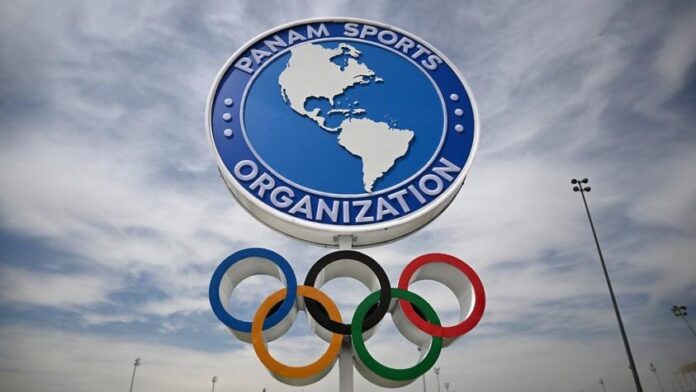
Cricket will stride onto Pan-American soil in 2027, thanks to a landmark ruling by the Executive Committee of PanAm Sports on June 18, 2025.
The verdict—hailed by Caribbean Association of National Olympic Committees (CANOC) President Keith Joseph as “a very bold decision”—secures the sport’s first appearance at the Pan American Games, set for Lima, Peru, and affirms its expanding footprint across the Americas.
Anxiety eased: Bid pledges finally honoured
Both Lima and rival bidder Asunción had listed cricket in their original dossiers. Yet post-award deliberations about the Games program stirred fears that the sport might be trimmed away. Joseph sympathised with organisers who “agonised, waiting for this final confirmation—almost a year after being awarded hosting rights.” Wednesday’s green light, therefore, arrives as both relief and validation for regional advocates who had campaigned tirelessly since the bidding stage.
CANOC sees a gateway to Olympic glory
For CANOC, whose lobbying extends to cricket’s return at the Los Angeles 2028 Olympic Games, the Pan-Am berth is a critical stepping-stone. “The Caribbean Association of National Olympic Committees feels decidedly emboldened,” Joseph declared. “This opens a new pathway for cricket in the hemisphere and provides a platform for our athletes to pursue excellence in the sport at multi-sport Games.”
Joseph praised Cricket West Indies (CWI) for supporting the expansion drive but urged deeper engagement with the Olympic movement. He called on every national cricket body to formalise ties with its National Olympic Committee (NOC), warning that administrative gaps could jeopardise eligibility: “This is a time for unity, urgency, and ambition. CWI must hold fast to its commitment to building the sport in the Caribbean and play a leadership role in enshrining sport as a critical pillar of genuine national development across the region.”
Cricket’s Pan-Am debut follows its confirmed return to the Olympic roster for LA 2028 and underscores a global reassessment of the game’s multi-sport appeal. For Caribbean nations—where cricket pulses through cultural veins—the news amplifies a long-running quest for wider recognition. “We look forward to Caribbean countries competing favourably in the Olympic Movement,” Joseph concluded, “justifying cricket’s presence at every turn.”
With the decision now etched in Panam Sports policy, attention shifts to squad preparation, facility readiness, and the bureaucratic work of NOC alignment. A sport once confined to Commonwealth prestige has earned a fresh continental stage. For the Caribbean, the next two years promise more than medals; they offer a chance to demonstrate that cricket’s rhythms can resonate—— and triumph—— in the grand symphony of international sport.