

United Nations, New York — Saint Kitts and Nevis played a leading role in advancing the operationalisation of the Multidimensional Vulnerability Index (MVI) at the United Nations Economic and Social Council (ECOSOC) Financing for Development Forum, held during the 2026 Financing for Development Week from 20–24 April.
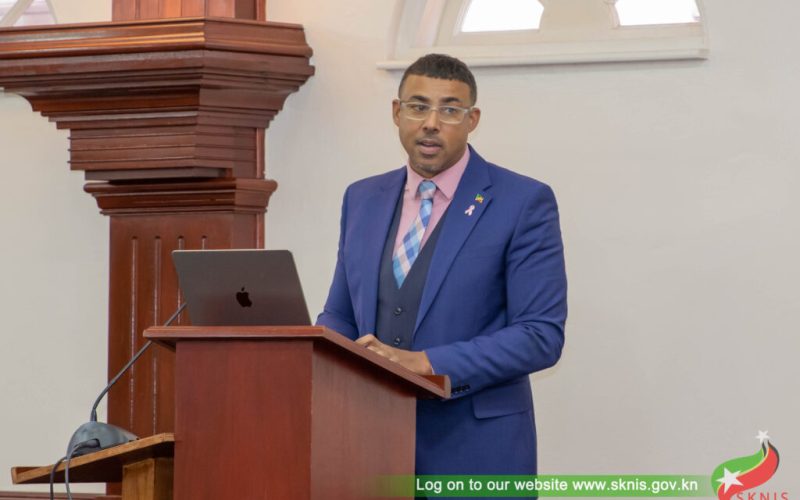
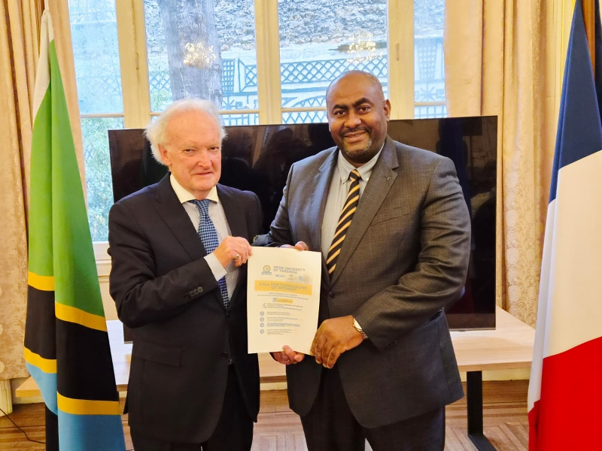
The delegation comprised Mr Carlton Pogson, Financial Secretary of Saint Kitts and Nevis, and H.E. Dr. Mutryce Williams, Saint Kitts and Nevis’ Permanent Representative to the United Nations, along with the Mission’s team, who provided technical and diplomatic support throughout the engagement.
A central feature of Saint Kitts and Nevis’ engagement was a high-level side event titled “Beyond GNI: Operationalising the MVI for Resilient Prosperity – Lessons from the First VRCP Pilot.” Convened jointly with the UN Resident Coordinator Office, the event highlighted the Vulnerability-Resilience Country Profile (VRCP) pilot and its role in translating the MVI from a conceptual framework into a practical tool for investment and resilience-building.
According to UN Resident Coordinator for the Caribbean Region Mr. Simon Springette, the initiative aimed to “reinvigorate the global vulnerability discourse” and demonstrate how mixed quantitative and qualitative approaches could provide a more accurate reflection of national resilience than Gross National Income alone.
Financial Secretary Pogson underscored the urgency of reforming global development metrics,
stating:
“Many countries, including Saint Kitts and Nevis, were classified as high income on paper, yet remained highly exposed to external shocks and structural vulnerabilities. This disconnect shaped access to finance and development outcomes. The adoption of the Multidimensional Vulnerability Index by the United Nations General Assembly reflected a critical shift toward recognising that vulnerability could not be measured by income alone, but must account for exposure, resilience, and capacity to absorb shocks.”
H.E. Dr. Mutryce Williams highlighted the strategic importance of the initiative, noting:
“This pilot and side event reflected Saint Kitts and Nevis’ strategic foresight and commitment to resilience-led development. Our partnership with UNDESA and the Resident Coordinator Office demonstrated that the United Nations was engaging meaningfully with our national vision. Embedding sustainability and resilience in our multilateral diplomacy directly advanced the long-term security and prosperity of our people.”
Ambassador Williams also commended the leadership of the Government of Saint Kitts and Nevis, stating that Prime Minister and Minister of Finance Dr. Terrance Drew and his administration had demonstrated “visionary and sustained commitment to placing resilience, sustainability, and evidence-based development at the centre of national and international policy engagement.”
Saint Kitts and Nevis’ leadership at the forum reinforced its growing role in shaping global
discussions on vulnerability, resilience, and equitable access to development finance, while
advancing practical tools to better reflect the realities faced by Small Island Developing States.
The Financing for Development Week formed a key pillar of the global Financing for Development process, building on outcomes from the Fourth International Conference on Financing for Development (FFD4), held in Sevilla in June 2025, and advancing implementation of the Sevilla Commitment. The 2026 Forum focused on priority areas including financing for development, international trade, debt sustainability, and reforms to the international financial architecture.