
HILLSBOROUGH, GRENADA, APRIL 21, 2026 — Significant progress is being made through the Enhancing Land Management and Strengthening Ecosystem Resilience for Integrated Landscape Restoration and Climate-Resilient Food Systems in Carriacou project, also known as the Carriacou ILM Project. The initiative aims to improve farmers’ access to water, enhancing irrigation, boosting food production, increasing livestock capacity, and ultimately improving livelihoods by raising earnings.
The project is being executed by the Partnership Initiative for Sustainable Land Management, with funding from the Global Environment Facility and implementation support from the United Nations Environment Programme (UNEP).
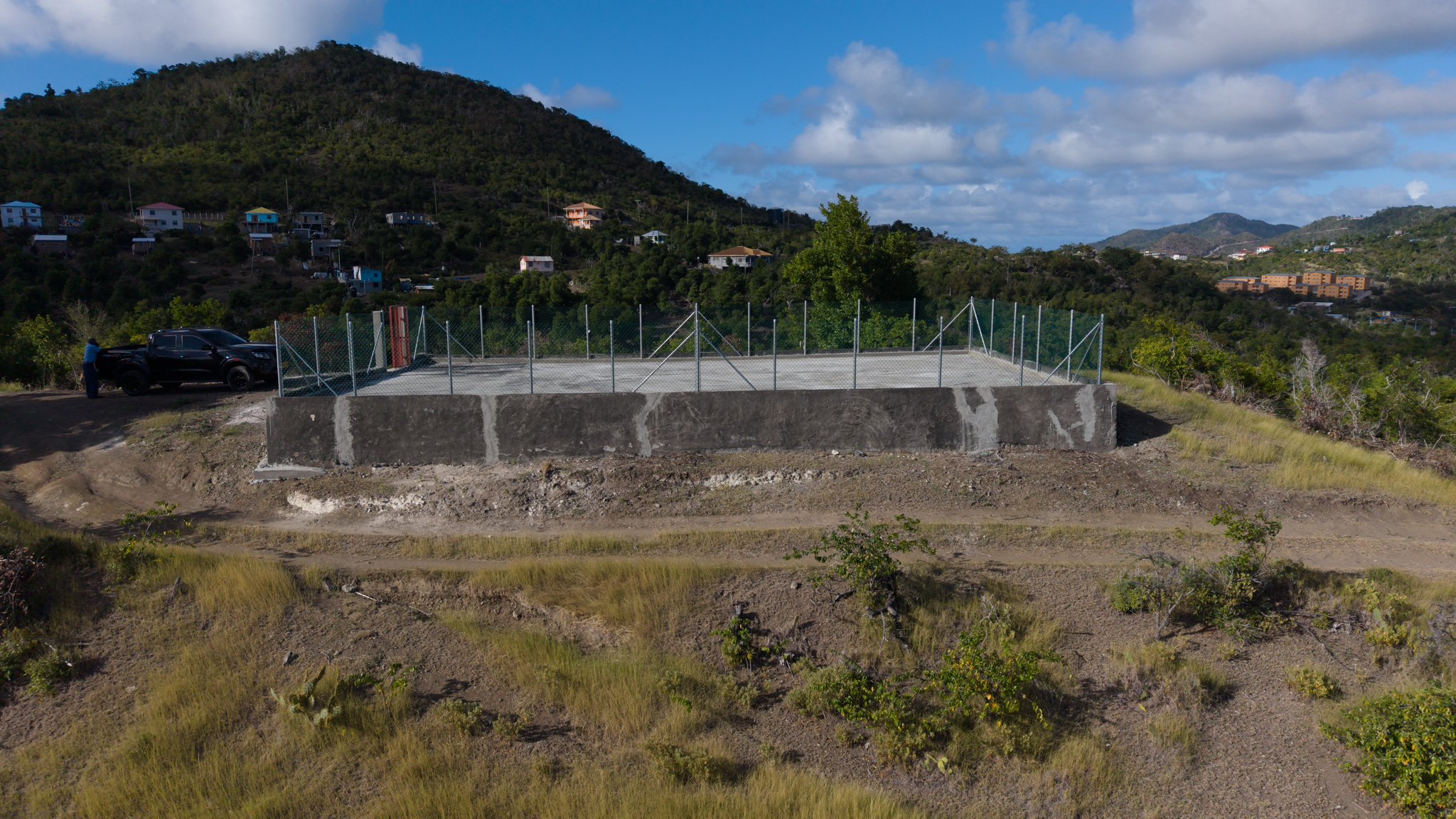
One of its major accomplishments is the restoration of the Dumfries cistern, a crucial water storage system that has served the community for decades. Previously deteriorated and unable to function at full capacity, the cistern has now been successfully rehabilitated and can collect and store its maximum volume of water.
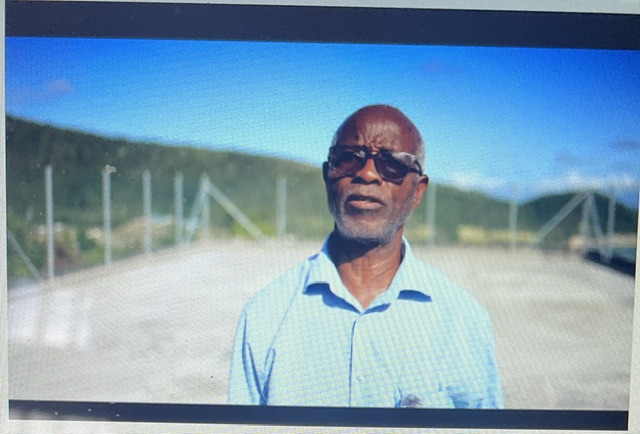
Project Manager Bernard McIntosh explained, “The project intervention involved fencing the perimeter and repairing all cracks and crevices in the catchment area, thereby maximizing its potential.”
McIntosh also noted plans to install a black water tank and a solar-powered pump system to transfer water from the cistern into storage tanks, improving access for farmers in the community.
In Carriacou, every drop of water is precious, symbolizing renewed hope. Agriculture plays a vital role in the island’s society and way of life. The main crops grown include pigeon peas, corn, sweet potatoes, yams, dasheen, watermelon, sorrel, cucumber, and butternut squash.
The project seeks to address land degradation in Carriacou through the demonstration and application of ecosystem-based landscape restoration, sustainable land management, and good agricultural practices. It emphasizes community participation to expand and diversify sustainable livelihood options.
The second phase of rehabilitation will continue with the installation of a solar-powered pump and additional water tanks to increase storage capacity. This will provide more water for livestock and irrigation. The rehabilitated cistern has the capacity to store over 14,000 gallons of water.